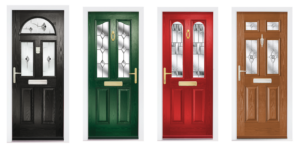
The Expert Guide To Keyless Door Locks
Keyless Door Locks: The Future of Home Security
In the ever-evolving landscape of home security, keyless door locks have emerged as a transformative service. Making use of sophisticated technology, these locks offer convenience, safety, and a new level of control for property owners. This short article looks into the different facets of keyless door locks, highlighting their advantages, types, installation procedures, and factors to consider for choosing the right system.
What are Keyless Door Locks?
Keyless door locks, also known as smart locks, are locking mechanisms that do not need traditional keys for gain access to. Rather, internet site use alternative methods such as mathematical keypads, finger print sensors, smart device apps, or Bluetooth technology to approve entry. As the name recommends, these devices are ending up being progressively popular amongst property owners aiming to improve security while simplifying their daily routines.
Advantages of Keyless Door Locks
Keyless door locks present a variety of advantages over traditional locking systems. Below is a list of a few of their most substantial advantages:
- Convenience: No more fumbling for secrets. Users can enter their homes with a basic code or by utilizing their smartphones.
- Increased Security: Smart locks come with advanced functions like file encryption, making it harder for intruders to acquire unapproved gain access to.
- Remote Access: Many keyless locks can be controlled from another location, allowing homeowners to unlock their doors for visitors or service personnel without being there face to face.
- Momentary Access Codes: Homeowners can produce momentary codes for short-term guests or service workers that expire after a particular duration.
- Tracking and Alerts: Certain keyless locks send out informs when somebody accesses the door, offering an included layer of security.
Benefits
Description
Convenience
Easy gain access to without carrying keys
Increased Security
Advanced encryption safeguards versus unapproved access
Remote Access
Control the lock from anywhere using a smart device
Short-lived Codes
Grant short-term access quickly, lowering the need for spare secrets
Tracking
Alerts and logs provide insight into who accesses the home
Kinds Of Keyless Door Locks
Keyless door locks can be found in different types, each offering unique features and advantages. The following are the most common types:
- Keypad Locks: These locks require users to get in a PIN code on a keypad to unlock the door.
- Smart Locks: Connect to smart devices through Bluetooth or Wi-Fi, allowing users to lock or open doors using an app.
- Biometric Locks: Use fingerprint acknowledgment to approve gain access to, suitable for those who desire an additional layer of protection.
- RFID Locks: Utilize radio frequency identification innovation, permitting users to open doors by simply waving a card or fob in front of the lock.
- Deadbolt Replacement Locks: Designed to change existing deadbolts while incorporating keyless technology.
Type of Lock
Key Feature
Keypad Locks
Needs a PIN code
Smart Locks
Run by means of mobile phone apps
Biometric Locks
Usage fingerprint acknowledgment
RFID Locks
Open with a card or fob
Deadbolt Replacement
Replaces conventional deadbolts with smart tech
Installation of Keyless Door Locks
Setting up a keyless door lock can be a simple procedure, and there are two main alternatives for installation: DIY or professional installation. Here's a step-by-step guide for DIY enthusiasts:
Step-by-Step Installation Guide:
- Gather Tools: Ensure you have all the required tools such as a screwdriver, determining tape, and possibly a drill.
- Eliminate Old Lock: Unscrew the existing lock and eliminate it from the door.
- Place New Lock: Follow the manufacturer's instructions for placing the new keyless lock into the existing hole.
- Secure the Lock: Once positioned properly, secure it with screws.
- Program the Lock: Input needed codes or connect the lock to a smartphone app if suitable.
- Test Functionality: Ensure the lock operates properly before completing the installation.
Considerations When Choosing a Keyless Door Lock
When picking a keyless door lock, a number of elements must be taken into account:
- Compatibility: Ensure the lock is suitable with your door type and existing hardware.
- Source of power: Many smart locks need batteries; consider how typically you'll require to replace them.
- Security Features: Look for locks with strong file encryption and the ability to keep track of access.
- User Management: Some locks enable numerous users; consider how numerous people will require gain access to.
- Budget plan: Prices can vary commonly; develop a budget plan before browsing alternatives.
Frequently Asked Questions (FAQs)
1. Are keyless door locks safe?Yes, keyless door locks can be safe if they utilize strong file encryption and have a solid construct quality. Constantly pick trustworthy brands.
2. How do I alter the code on a keypad lock?A lot of keypad locks feature directions for changing codes. Usually, you'll need to enter the existing code initially and then follow triggers to set a new one.
3. What occurs if the battery passes away on a smart lock?A lot of smart locks have backup keys for such instances, or they may have a method to connect a source of power, such as a USB port.
4. Can I control my keyless lock remotely?Numerous smart locks provide push-button control features by means of a smartphone app, enabling you to lock or open your door from anywhere.
Keyless door locks represent a significant improvement in home security and benefit. As innovation continues to develop, these locks are ending up being more sophisticated, using property owners comfort and ease of use. From convenience and improved security to remote access and user management, keyless door locks supply a modern solution to a standard issue. As this pattern continues to grow, homeowners can adopt these ingenious systems to protect their residential or commercial properties effectively.
The future of home security is here, and it's keyless.